Calculating cubic yards can seem tricky, but with the right tools and understanding, it becomes simple. A cubic yard calculator helps you quickly measure materials for construction, landscaping, or DIY projects, saving time and reducing errors. Whether you’re working with concrete, soil, mulch, gravel, or sand, this guide will show you how to calculate cubic yards manually, use a calculator, convert units, estimate material costs, and avoid common mistakes—all in easy-to-understand steps.
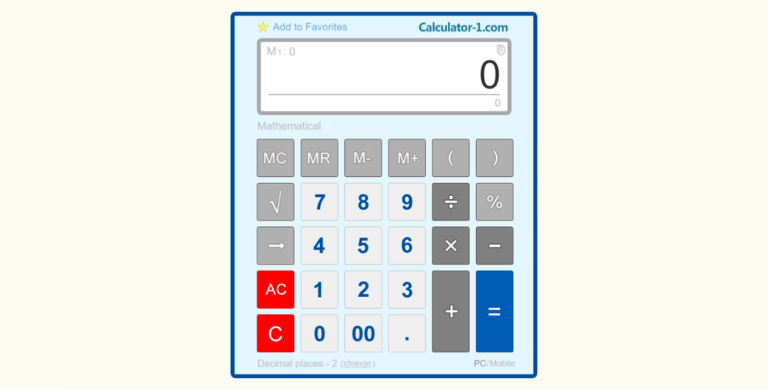
A cubic yard calculator lets you quickly find the volume of your project area without complicated math. Enter the length, width, and depth, choose your unit (feet, inches, or meters), and the calculator gives you the volume in cubic yards instantly. This tool works for concrete, soil, mulch, gravel, sand, or dirt and reduces mistakes when converting cubic feet to cubic yards. Measure carefully and round up slightly to avoid ordering too little material, especially for construction or landscaping projects.
What Is a Cubic Yard?
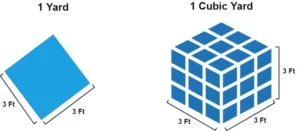
A cubic yard is a unit of volume, measuring 1 yard long × 1 yard wide × 1 yard deep. It’s commonly used for concrete, soil, mulch, gravel, and sand in construction and landscaping. Understanding cubic yards helps you use a cubic yard calculator correctly and avoid confusion when converting units.
Cubic Yard vs Cubic Foot
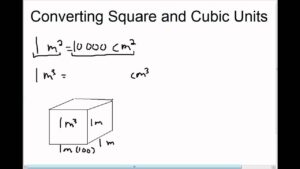
One cubic yard equals 27 cubic feet, which is important when switching between measurements.
Cubic Yard vs Square Yard
A square yard measures area only, while a cubic yard measures volume including depth.
How to Calculate Cubic Yards Manually
Knowing how to calculate cubic yards manually is useful when a calculator isn’t available. It helps verify results from your cubic yard calculator.
Standard Cubic Yard Formula
Multiply length × width × depth (in feet) and divide by 27.
Formula: (L × W × D) ÷ 27
Why We Divide by 27
There are 27 cubic feet in one cubic yard, which is why the formula converts feet measurements to cubic yards.
Step-by-Step Calculation Examples
Real examples make it easier to understand and apply cubic yard calculations.
Let me break down each of those examples and explain step by step so it’s clear why the numbers come out the way they do. We’re using the standard cubic yard formula:
Cubic Yards=Length × Width × Depth (in feet)27\text{Cubic Yards} = \frac{\text{Length × Width × Depth (in feet)}}{27}Cubic Yards=27Length × Width × Depth (in feet)
The division by 27 comes from the fact that 1 cubic yard = 27 cubic feet (3 ft × 3 ft × 3 ft = 27 ft³).
Concrete Slab Example
Dimensions: 12 ft × 10 ft × 0.5 ft
Step 1: Multiply length × width × depth
12×10×0.5=60 cubic feet12 × 10 × 0.5 = 60 \text{ cubic feet}12×10×0.5=60 cubic feet
Step 2: Convert cubic feet to cubic yards by dividing by 27
60÷27≈2.22 cubic yards60 ÷ 27 ≈ 2.22 \text{ cubic yards}60÷27≈2.22 cubic yards
This means you need 2.22 cubic yards of concrete to pour this slab.
Soil or Mulch Example
Dimensions: 9 ft × 6 ft × 1 ft
Step 1: Multiply length × width × depth
9×6×1=54 cubic feet9 × 6 × 1 = 54 \text{ cubic feet}9×6×1=54 cubic feet
Step 2: Convert cubic feet to cubic yards
54÷27=2 cubic yards54 ÷ 27 = 2 \text{ cubic yards}54÷27=2 cubic yards
You would need 2 cubic yards of soil or mulch to cover this garden bed.
3. Gravel or Sand Example
Dimensions: 15 ft × 4 ft × 0.5 ft
Step 1: Multiply length × width × depth
15×4×0.5=30 cubic feet15 × 4 × 0.5 = 30 \text{ cubic feet}15×4×0.5=30 cubic feet
Step 2: Convert cubic feet to cubic yards
30÷27≈1.11 cubic yards30 ÷ 27 ≈ 1.11 \text{ cubic yards}30÷27≈1.11 cubic yards
This means you need about 1.11 cubic yards of gravel or sand for this path.
Summary:
- Multiply the project’s length, width, and depth in feet to get cubic feet.
- Divide by 27 to convert cubic feet to cubic yards.
- Round up slightly if needed to account for settling or uneven surfaces.
Cubic Yard Conversion Guide
A cubic yard conversion guide helps switch between different units easily. This is useful for concrete, soil, mulch, or gravel projects.
Cubic Feet to Cubic Yards
Divide cubic feet by 27. Example: 54 ÷ 27 = 2 cubic yards.
Inches to Cubic Yards
Convert inches to feet first, then apply the formula.
Meters to Cubic Yards
Multiply cubic meters by 1.308 to get cubic yards.
Cubic Yard Calculator for Materials
Estimating materials is easy with a cubic yard calculator. It works for concrete, soil, mulch, gravel, and sand, ensuring accurate measurements and reducing waste.

Concrete Cubic Yard Calculator
Enter dimensions for slabs or foundations to get exact cubic yards.
Mulch & Soil Calculator
Calculate the amount needed for garden beds or landscaping.
Gravel, Sand & Dirt Calculator
Estimate volumes for paths, driveways, or fill projects.
How Much Material Should You Order?
Ordering the right amount of material prevents shortages or overbuying. Always include a small buffer, typically 5–10% extra, for uneven ground or compaction. This ensures projects run smoothly without multiple trips.
Waste Factor
Add a small buffer for mistakes or settling.
Uneven Ground Considerations
Measure high and low points for full coverage.
Delivery vs Pickup Tips
Plan material quantities based on vehicle or supplier capacity.
Cubic Yard Cost Estimation
Knowing the cost per cubic yard helps plan your budget accurately. Material prices vary depending on type and location.
Average Cost Per Cubic Yard
Concrete costs more than soil or mulch; gravel and sand fall in between.
How to Estimate Total Project Cost
Multiply required cubic yards by local material price.
Why Prices Vary
Delivery fees, quality, and seasonal availability can affect costs.
Common Mistakes When Calculating Cubic Yards
Even with a calculator, errors happen. Avoid these mistakes to save money and time.
Confusing Square vs Cubic Units
Square yards measure area, cubic yards measure volume.
Using Inches but Forgetting to Convert
Always convert inches to feet or meters before calculating.
Ordering Exact Amounts Without Buffer
Add 5–10% extra to account for settling or uneven ground.
Frequently Asked Questions
Answering FAQs ensures accurate calculations for DIY or professional projects.
How Many Cubic Feet Are in a Cubic Yard?
One cubic yard = 27 cubic feet.
How Many Cubic Yards Do I Need?
Use dimensions with the formula or calculator.
Is a Cubic Yard the Same as a Square Yard?
No, square yard = area, cubic yard = volume.
How Much Does a Cubic Yard of Concrete Cover?
One cubic yard covers about 81 square feet at 4 inches thick.
Final Tips for Accurate Cubic Yard Calculations
Accurate calculations save time, money, and effort. Always measure carefully, use a cubic yard calculator, and include a small buffer for waste or uneven surfaces.
Measure Twice
Double-check all dimensions.
Use Consistent Units
Convert all measurements to the same unit before calculating.
Always Round Up
Add extra material to avoid running short.
Conclusion
Combining a cubic yard calculator, knowledge of the formula, and proper unit conversions makes your project planning simple and accurate. Add a small buffer for waste, measure carefully, and plan costs effectively. Whether you’re ordering concrete, soil, mulch, gravel, or sand, these tips ensure your project runs smoothly, saves money, and avoids mistakes.