
A Crosswind Calculator is an essential aviation tool that helps pilots determine the crosswind component affecting an aircraft during takeoff and landing. Wind direction and speed can significantly influence aircraft performance, and understanding how much crosswind is present helps pilots make safer flight decisions.
In aviation, even a small change in wind angle can create strong sideways forces on an aircraft. That is why pilots rely on accurate calculations to understand whether the wind conditions are within safe limits for their aircraft. A crosswind calculator quickly analyzes wind direction, wind speed, and runway heading to determine the crosswind and headwind components.
Whether you are a student pilot, flight instructor, or aviation enthusiast, using a crosswind calculator simplifies complex calculations and improves flight planning accuracy. This guide explains how crosswind calculations work, why they matter in aviation, and how you can use a crosswind calculator effectively.
What Is a Crosswind Calculator?
A crosswind calculator is a digital aviation tool designed to calculate the crosswind component acting on an aircraft relative to a runway. In simple terms, it measures how much of the wind is pushing the aircraft sideways when it is taking off or landing.
Wind rarely blows perfectly aligned with a runway. Instead, it often approaches at an angle. When this happens, the wind force is divided into two components:
- Crosswind component – wind pushing the aircraft sideways
- Headwind or tailwind component – wind pushing the aircraft forward or backward
The crosswind calculator automatically determines these components based on wind direction, wind speed, and runway heading. Instead of manually calculating trigonometric formulas, pilots can quickly get accurate results within seconds.
These tools are widely used in aviation training, flight planning, and operational decision-making to ensure safe aircraft handling.
Why Crosswind Calculations Are Important for Pilots

Safety During Takeoff and Landing
Takeoff and landing are the most critical phases of flight. During these moments, strong crosswinds can push the aircraft off the runway centerline. Pilots must apply precise control inputs using rudder and ailerons to maintain alignment with the runway.
By calculating the crosswind component before landing or takeoff, pilots can determine whether the wind conditions are manageable for their aircraft and their skill level.
Aircraft Crosswind Limitations
Every aircraft has a maximum demonstrated crosswind component, which represents the strongest crosswind successfully tested during certification. While this is not an absolute limit, it provides pilots with guidance on safe operating conditions.
Using a crosswind calculator helps pilots compare current wind conditions with aircraft limitations before attempting a landing.
Better Flight Planning
Crosswind calculations also help pilots choose the most suitable runway. Many airports have multiple runways aligned in different directions. If the wind direction favors one runway over another, pilots can select the option that minimizes crosswind impact.
How a Crosswind Calculator Works
A crosswind calculator works by analyzing wind data and runway orientation to determine the wind components affecting an aircraft.
Required Inputs
To perform a calculation, the tool typically requires three key inputs:
- Runway heading or runway number
- Wind direction from the aviation weather report
- Wind speed measured in knots or miles per hour
These values are commonly obtained from airport weather sources such as ATIS or METAR reports.
Calculation Method
The calculator uses trigonometric relationships to divide the wind vector into two parts: crosswind and headwind components. The angle between the runway heading and wind direction determines how strong the crosswind will be.
Instant Output Results
After entering the inputs, the calculator instantly provides:
- Crosswind component
- Headwind component or tailwind component
This information allows pilots to quickly evaluate wind conditions and make safe operational decisions.
Crosswind Component Formula Explained
Although pilots often rely on calculators, understanding the basic formula helps explain how crosswind calculations work.
Basic Crosswind Formula
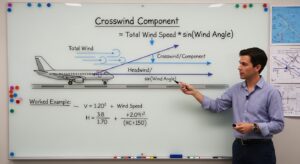
The crosswind component can be calculated using this formula:
Crosswind Component = Wind Speed × sin(angle between wind direction and runway heading)
This formula determines how much of the wind force acts perpendicular to the runway.
Understanding the Wind Angle
The angle between the runway direction and wind direction plays a major role in determining crosswind strength.
For example:
- If wind blows directly along the runway, crosswind is zero.
- If wind blows at a 90-degree angle, the entire wind speed becomes crosswind.
Example Calculation
Suppose the wind is 15 knots and the angle between wind direction and runway heading is 30 degrees.
Using the formula:Crosswind = 15 × sin(30°)
The crosswind component would be approximately 7.5 knots.This calculation helps pilots determine whether the crosswind is within safe limits.
How to Use the Crosswind Calculator
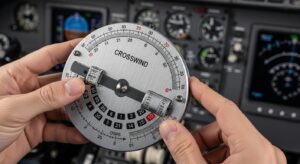
Using a crosswind calculator is simple and only takes a few seconds.
Step 1: Enter Runway Heading
Start by entering the runway heading or runway number. Runways are numbered according to their magnetic direction.
Step 2: Input Wind Direction
Next, enter the wind direction reported by the airport weather service.
Step 3: Enter Wind Speed
Provide the wind speed in knots or miles per hour, depending on the calculator settings.
Step 4: Run the Calculation
Click the calculate button to process the information.
Step 5: Review the Results
The calculator will display:
- Crosswind component
- Headwind or tailwind component
Pilots can then compare these values with aircraft operating limits.
Understanding Crosswind vs Headwind vs Tailwind
Wind affects aircraft performance in several ways, depending on its direction relative to the runway.
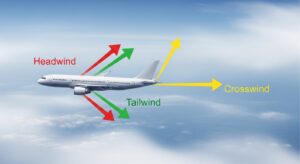
What Is a Crosswind?
A crosswind is wind blowing from the side of the runway. It pushes the aircraft laterally and requires corrective control inputs from the pilot.
What Is a Headwind?
A headwind blows directly toward the aircraft during takeoff or landing. Headwinds are beneficial because they reduce ground speed and improve aircraft performance.
What Is a Tailwind?
A tailwind blows from behind the aircraft. It increases ground speed and can make takeoffs and landings more difficult.
Understanding these wind components helps pilots manage aircraft performance more effectively.
Crosswind Limits for Different Aircraft
Aircraft are designed with different performance capabilities, and crosswind limits vary depending on aircraft size and design.
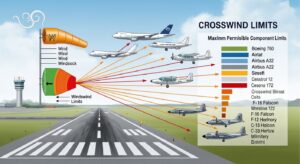
Small Training Aircraft
Light aircraft used in pilot training typically have lower crosswind limits. These aircraft are more sensitive to wind and require careful handling during crosswind operations.
Commercial Airliners
Large commercial aircraft are designed to handle stronger crosswinds. Advanced flight control systems and larger control surfaces provide better stability during crosswind landings.
Pilot Skill and Experience
Pilot experience also plays a significant role in handling crosswinds. With training and practice, pilots develop techniques to manage crosswind conditions safely.
Real-World Example of Crosswind Calculation
Imagine a pilot preparing to land on Runway 27, which has a magnetic heading of 270 degrees.
The airport weather report indicates wind 210 degrees at 15 knots.
To determine the crosswind component:
- Calculate the angle between runway heading and wind direction.
- The difference between 270° and 210° is 60 degrees.
- Apply the crosswind formula.
Crosswind = 15 × sin(60°)The result is approximately 13 knots of crosswind.
If the aircraft’s demonstrated crosswind limit is higher than this value, the pilot can safely proceed with the landing.
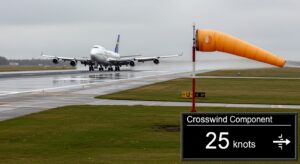
Benefits of Using an Online Crosswind Calculator
Online crosswind calculators provide several advantages compared to manual calculations.

Faster Calculations
Manual trigonometric calculations take time and may not be practical during flight planning. Online calculators deliver results instantly.
Reduced Human Error
Entering wind data into a calculator minimizes calculation mistakes that could occur when performing manual math.
Easy Accessibility
Most aviation calculators are available online and can be accessed from computers, tablets, or mobile devices.
Useful for Training
Student pilots often use these tools to better understand how wind affects aircraft operations.
Manual vs Calculator Crosswind Calculation
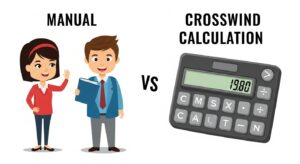
Manual Wind Component Charts
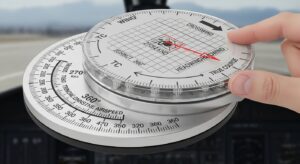
Before digital tools became common, pilots relied on wind component charts. These charts visually display crosswind components based on wind speed and angle.
While still taught in flight training, charts require more time and interpretation.
Online Aviation Calculators
Modern aviation calculators automate the entire process. Pilots only need to enter the required inputs, and the system performs the calculations instantly.
Because of their speed and accuracy, online calculators have become widely used in aviation planning.
Factors That Affect Crosswind Conditions
Several environmental and operational factors influence crosswind conditions at airports.

Runway Orientation
Runways are built according to prevailing wind patterns, but wind direction can still change due to weather systems.
Wind Speed and Direction
Higher wind speeds increase the strength of crosswind components, especially when the wind approaches the runway at a large angle.
Weather Systems
Storms, pressure systems, and atmospheric disturbances can cause sudden wind shifts.
Terrain and Airport Location
Mountains, buildings, and terrain features can create turbulence and unpredictable wind behavior near airports.
Tips for Pilots Flying in Crosswind Conditions
Handling crosswinds requires proper technique and preparation.
- Maintain runway alignment using coordinated rudder and aileron inputs.
- Monitor wind reports before approaching the airport.
- Practice crosswind takeoffs and landings during training flights.
- Avoid exceeding aircraft crosswind limitations.
- Use proper crosswind landing techniques such as the crab or sideslip method.
These strategies help pilots maintain aircraft control and ensure safe landings in windy conditions.
Who Should Use a Crosswind Calculator?
A crosswind calculator is useful for many people involved in aviation.

Student Pilots
Student pilots use the calculator to understand how wind components affect aircraft performance.
Private and Commercial Pilots
Licensed pilots rely on crosswind calculations for safe flight planning and operational decisions.
Flight Instructors
Instructors use these tools to teach crosswind concepts and practical aviation math.
Aviation Enthusiasts
Anyone interested in aviation can use a crosswind calculator to learn how pilots manage wind conditions.
Frequently Asked Questions
What is a crosswind calculator used for?
A crosswind calculator helps pilots determine the crosswind component affecting an aircraft during takeoff or landing. It analyzes wind speed, wind direction, and runway heading to provide accurate wind component results.
How do you calculate crosswind manually?
Crosswind can be calculated using the formula: wind speed × sine of the angle between wind direction and runway heading. This method helps determine how much wind force is pushing the aircraft sideways.
Why is crosswind important in aviation?
Crosswinds can affect an aircraft’s stability and alignment with the runway during takeoff and landing. Pilots must calculate crosswind components to ensure the conditions remain within safe aircraft limits.
What is the maximum crosswind limit for aircraft?
Each aircraft has a maximum demonstrated crosswind component defined by the manufacturer. Pilots use this guideline to decide whether it is safe to operate in certain wind conditions.
Can pilots land in strong crosswinds?
Yes, pilots can land in crosswinds if they apply proper techniques such as crab or sideslip methods. However, the wind must remain within the aircraft’s recommended crosswind limits for safe operation.
Conclusion
A Crosswind Calculator is an essential tool for pilots, helping them safely navigate crosswind conditions during takeoff and landing. By providing accurate crosswind and headwind components, it simplifies flight planning, reduces errors, and ensures operations remain within aircraft limits. Whether you are a student pilot, commercial aviator, or aviation enthusiast, using a crosswind calculator improves decision-making, enhances safety, and builds confidence when flying in varying wind conditions.